Accidents happen, and a lingering urine odor in a vehicle can be stubborn. This guide explains a practical, step-by-step method to remove urine stains and odors from car upholstery and carpets using common cleaners and specialized products. Following these steps helps restore freshness and prolong the life of interior fabrics.
Quick Answer
Flush the area with cold water, blot thoroughly, apply a targeted urine stain remover kit or enzyme cleaner, scrub with a car interior cleaning brush set, and finish with odor eliminator. For persistent smells, repeat and consider a portable handheld car carpet extractor for deep cleaning.
What You’ll Need
- Car urine stain remover kit
- Enzyme cleaner for pet urine in car interior
- Portable handheld car carpet extractor
- Car upholstery cleaner spray with odor eliminator
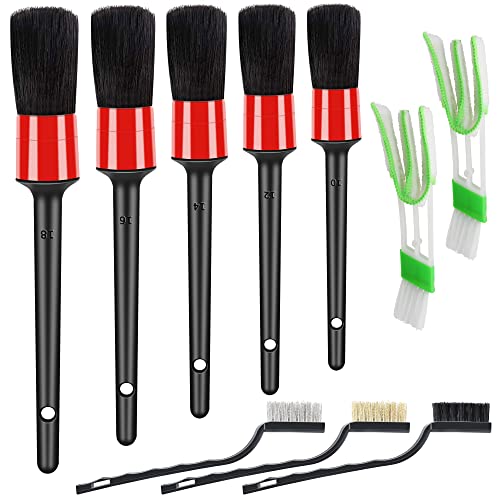
- Car interior cleaning brush set and fabric cleaner


Before You Start
Clear the area and move seats if needed to access all affected surfaces. Test cleaners on a hidden area of the fabric to check for colorfastness. Work with adequate ventilation and use protective gloves. Time estimates vary: plan for 1–3 hours for the initial clean, plus drying time. Critical cautions: do not rinse with hot water, which can set stains; avoid bleach on colored fabrics; and never mix cleaner chemicals unless the label allows it.
Step-By-Step: How To Clean Car Urine Stains And Odor
- Place absorbent towels on the stain and press to remove as much liquid as possible without scrubbing.
- Blot with a clean, dry cloth to lift remaining moisture from carpets or upholstery fibers.
- Apply the car urine stain remover kit or enzyme cleaner, following the label instructions for the correct amount and dwell time.
- Gently scrub using the car interior cleaning brush set to lift fibers and distribute the cleaner evenly.
- Wipe away excess cleaner with a clean cloth, then blot again to remove residual moisture.
- For deep stains, use the portable handheld car carpet extractor to extract liquid and cleaner from the carpet backing and padding.
- Allow the area to air dry completely. Increase airflow with a drying fan or open windows if possible.
- Apply the odor eliminator spray once the surface is dry to neutralize any remaining smell.
- Inspect the area for any remaining stain or odor. Repeat treatments if necessary until the fabric looks and smells fresh.
- For persistent odors, repeat steps 3–7 focusing on the most affected zones and consider a second cleaning cycle.
- Once clean and dry, keep a protective barrier by applying a fabric protection spray noted for car interiors (optional).
Troubleshooting
| Symptom | Likely Cause | Fix | Prevention |
|---|---|---|---|
| Smell lingers after cleaning | Incomplete stain removal or odor absorbed in underlayment | Repeat enzymatic cleaner treatment and consider extractor use | Treat promptly; use odor eliminator during clean |
| Color fading or fabric damage | Harsh cleaner on sensitive material | Test in a hidden area; dilute cleaner if needed | Follow label directions precisely |
| Stains reappearing after drying | Residual moisture locked in padding | Use extractor to remove moisture thoroughly | Ensure complete drying before final checks |
| Cleaner foam or residue left behind | Over-application | Wipe with a damp cloth and blot dry | Use recommended amounts only |
Common Mistakes
- Using hot water, which can set odors and stains
- Rubbing aggressively, which can spread urine fibers
- Skipping a full drying step, leaving moisture that causes odor
- Using perfume sprays as a substitute for odor eliminators
Attention to detail matters; avoiding these missteps helps prevent recurring problems and protects interior fabrics.
Tips For Best Results
- Work from the outside edges of the stain toward the center to prevent spreading.
- Always perform a patch test before applying cleaners to visible areas.
- Use enzyme cleaners for pet-related odors as they break down organic compounds effectively.
- Pair cleaning with good ventilation to accelerate drying and odor removal.
- Follow cleaner product labels for dwell times and compatibility with car fabrics.
Call A Professional
Consider professional help if the odor persists after multiple cleanings or if the stain affected the underpadding. Stop signs to seek help include: strong persistent urine odor despite treatment, visible staining that penetrates deeply, or the interior’s overall cleanliness not improving after several attempts.
FAQ
Can I use household cleaners to remove car urine odor?
Household cleaners can help, but specialized car urine stain remover kits and enzyme cleaners are often more effective for fabrics and fibers in vehicles.
Is it necessary to remove the padding under the carpet?
Yes, if the odor or stain has penetrated the backing or padding, extracting or treating those layers may be necessary for complete odor removal.
How long does it take for the car interior to dry?
Drying times vary with climate and ventilation, but expect 2–6 hours or longer for thorough air drying, especially in humid conditions.
Will odor eliminators leave a strong scent?
Quality odor eliminators neutralize smells rather than masking them, though a light residue from sprays may occur until fully dry.
Can I use a carpet extractor on leather or vinyl surfaces?
Carpet extractors can damage leather or vinyl; use extractor-safe treatments on fabrics only and consult product guidelines for non-fabric surfaces.
Buying Guide
Choosing the right products for cleaning urine from a car interior depends on several factors. Look for a kit that includes enzyme cleaners designed for pet odors, since they break down organic compounds effectively. A portable handheld car carpet extractor is valuable for deep cleaning, especially on thick carpet or padding. Consider an upholstery spray with odor eliminator for quick touch-ups and routine maintenance. When evaluating tools, prioritize compatibility with your vehicle’s fabrics and clear application instructions. A well-rounded kit and compatible brush set can simplify stain removal, making maintenance easier between cleanings.
Additional Buying Considerations
- Size and portability of the cleaning tools for easy storage in the car or garage
- Noise level and power requirements for portable extractors
- Energy efficiency and battery life for cordless devices
- Controls and ease of use for users new to car detailing
- Placement of storage and accessibility within the vehicle and at home