Woven baskets add warmth and texture to living spaces, but their natural fibers attract dust, dirt, and stains. This guide covers practical, safe methods to refresh different basket materials without risking damage. Readers will learn quick cleaning routines, essential tools, and common fixes to keep woven baskets looking their best.
From everyday dusting to deeper stain removal, the steps below emphasize gentle methods that preserve the basket’s weave and color. The approach prioritizes accessibility, using common household supplies and a few specialty tools to achieve professional-like results at home.
Quick Answer
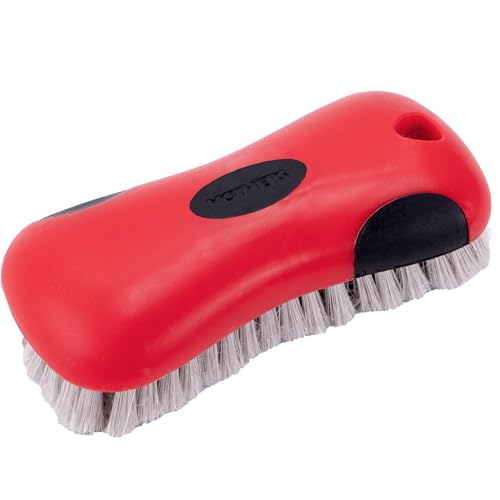
For routine cleaning, use a soft bristle wicker cleaning brush or a dusting brush to remove surface dust, followed by a microfiber cleaning cloth for delicate fibers. For stubborn spots, apply a light spray with a stain remover for natural fiber baskets and blot—avoid soaking. A vacuum with a gentle attachment can lift embedded dust. Always test on a small hidden area first and let baskets air dry completely.
What You’ll Need
- Soft bristle wicker cleaning brush
- Dusting brush for woven baskets
- Microfiber cleaning cloth for wicker baskets
- Vacuum attachment brush for woven basket dusting
- Stain remover for natural fiber baskets spray


Before You Start
Inspect the basket for loose weaves or fraying before cleaning. Work in a well-ventilated area to avoid lingering odors from cleaners. If the basket is painted or stained, avoid aggressive liquids that could strip color. For natural fiber baskets, test cleaners on a hidden spot to ensure no discoloration. Estimated time for a typical cleaning session is 20–40 minutes, depending on dirt level. Important: Do not submerge wicker baskets in water; excess moisture can cause warping or mold growth.
Step-By-Step: How To Clean Woven Baskets
- Remove contents and shake the basket gently to free loose debris.
- Use a dusting brush for woven baskets to sweep across the weave from top to bottom, guiding dust toward the opening.
- For stubborn dust in crevices, employ a soft bristle wicker cleaning brush with light, circular motions along the weave.
- Lightly dampen a microfiber cleaning cloth for wicker baskets with water, then wipe the exterior in a gentle, back-and-forth pattern. Avoid soaking the fibers.
- If stains appear, apply a stain remover for natural fiber baskets spray to a cloth and blot the stain gently. Do not spray directly onto the basket.
- For interior dust, attach a vacuum attachment brush for woven basket dusting and run it along the inside walls with steady strokes.
- Allow the basket to air dry completely in a well-ventilated area, away from direct sunlight to prevent fading.
- Check for residual odor or damp spots after drying; repeat as necessary with minimal moisture.
- Reassemble any removed liners or contents once the basket is fully dry.
- Maintain by performing a light weekly dusting and a deeper clean every few months, depending on use.
- Store baskets in a dry, ventilated spot to prevent mildew and keep their shape intact.
Troubleshooting
| Symptom | Likely Cause | Fix | Prevention |
|---|---|---|---|
| Faded color after cleaning | Overuse of water or harsh chemicals | Switch to minimal moisture and a milder cleaner | Test first; avoid strong solvents |
| Stiff or warped weave | Excess moisture or heat exposure | Air dry in a shaded area; reshape gently | Keep away from direct sun; use light cleaning |
| Persistent odor | Trapped moisture or mold | Clean with a mild cleaner and ensure complete dry | Dry thoroughly after cleaning |
| Stains that don’t lift | Firm stains in natural fibers | Apply stain remover sparingly to cloth; blot—never rub | Address stains promptly |
Common Mistakes
- Using excessive water on woven fibers, which can cause warping and mold.
- Spraying cleaners directly; this can oversaturate the weave and remove color.
- Forgetting to test cleaners on a hidden area before full application.
- Skipping thorough drying, leading to odor or mildew.
Tips For Best Results
- Dust regularly with a dusting brush for woven baskets to minimize buildup.
- Rotate baskets during storage to prevent permanent shape distortion.
- Use a microfiber cloth for delicate fibers to avoid snagging.
- Store in a breathable container or with a light cloth cover to prevent dust accumulation.
Call A Professional
When baskets have significant mildew, persistent odors, or severe structural damage to the weave, consider professional cleaning or restoration services. Seek help if fibers feel mushy, if there are large tears, or if the basket supports weight and safety is a concern for households with children or pets.
FAQ
Can I soak a woven basket to clean it?
Avoid soaking; excess moisture can damage the weave and cause warping.
Is it safe to use household cleaners on natural fiber baskets?
Test a small area first and opt for mild cleaners specifically designed for natural fibers.
How often should I clean wicker baskets?
Light weekly dusting and a deeper clean every 1–3 months, depending on use and environment.
What should I do if the basket has mildew?
Wipe with a mild cleaner, dry thoroughly, and consider a professional cleaning if mildew persists.
Buying Guide
When choosing baskets for daily use or display, consider size, weave density, and placement. Larger baskets collect more dust and may require more frequent cleaning, while densely woven designs resist dust but can trap dirt in the crevices. Noise is not a factor for baskets, but ease of cleaning matters. For any woven product, look for natural fibers that align with care instructions and the environment where the basket will live. Think about whether you want a moisture barrier or liner to simplify future cleaning. Consider how the basket will be used—as a decorative piece or a functional storage bin—and select tools that match the cleaning tasks described, such as a soft bristle wicker cleaning brush, a microfiber cleaning cloth, and a vacuum attachment brush for regular upkeep.