Burnt plastic odors can linger after a faulty heating element or melted plastic accidentally falls into the dishwasher. A thorough clean plus odor-deadening products can restore freshness and prevent future smells. The following guide provides practical steps, safe products, and troubleshooting tips for American kitchens.
Quick Answer
Flush and clean the interior with a dishwasher-safe cleaner, then use an odor absorber or deodorizer to neutralize lingering scents. If the smell persists, repeat treatment and inspect for melted plastic or fuel sources inside the appliance.
What You’ll Need
- Dishwasher interior deodorizer tablet
- Activated charcoal odor absorber for dishwasher
- Dishwasher deodorizing spray for interior
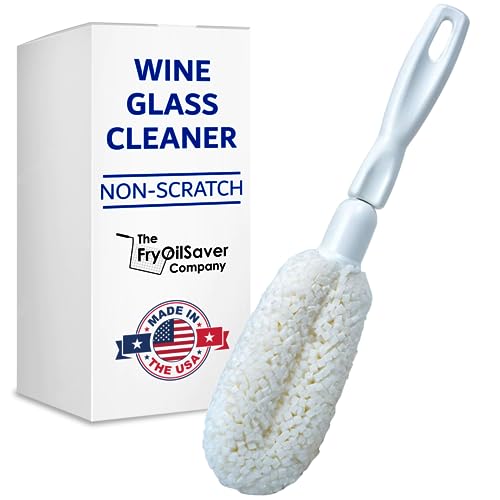
- Dishwasher cleaning brush long handle
- Dishwasher interior cleaning kit


Before You Start
Ensure the dishwasher is powered off and cold before inspection. Remove racks and inspect the tub for melted plastic pieces or exposed heating elements. Wear gloves and ventilation if using strong cleaners. Plan for at least 60–90 minutes for the initial deep clean, plus time for drying between treatments.
Step-By-Step: How To Remove Burnt Plastic Odors From A Dishwasher
- Remove all dishes and racks; wipe loose debris from the tub with a damp cloth.
- Run a hot water cycle empty with a dishwasher-safe cleaner to loosen residue.
- Inspect the tub thoroughly for any melted plastic or scorch marks; stop use if you see damage.
- Place a dishwasher interior deodorizer tablet in the detergent compartment or directly in the tub as directed.
- Spray the interior with a dishwasher deodorizing spray, focusing on corners and seals; wipe with a clean cloth.
- Rinse the interior by running another hot cycle with only water and a rinse aid or cleaner.
- Apply activated charcoal odor absorber for dishwasher in the lower spray arm area if available; let it sit per product directions.
- Clean seals and door edges with the long handle cleaning brush and a mild detergent; dry thoroughly.
- Replace racks and run a final hot cycle with no detergent to purge any residues.
- Ventilate the kitchen and inspect for residual smell after the final cycle; repeat if needed.
Troubleshooting
| Symptom | Likely Cause | Fix | Prevention |
|---|---|---|---|
| Persistent burnt smell after cycles | Residue or blocked spray arms | Thorough cleaning; check spray arms for clogs | Regular monthly clean |
| Smell reappears after drying | Moisture traps or seals harbor odor | Clean seals; ensure door closes tightly | Leave door slightly ajar after cycles |
| Visible melted plastic inside tub | Plastic items placed inside | Remove melted pieces; inspect wiring if needed | Avoid placing plastic on racks during heat |
| Unpleasant odor comes from rinse cycle | Water stagnation in manual lines | Flush lines with hot water; use cleaner | Run regularly on hot cycle |
Common Mistakes
- Using heavy cleaners that leave new residues
- Ignoring visible plastic damage and continuing to use the dishwasher
- Overloading the dishwasher, which prevents thorough cleaning
- Forgetting to air out the kitchen after deodorizer use
Tips For Best Results
- Choose a deodorizing product that is specifically labeled for dishwashers to avoid chemical residues on dishes
- Run hot cycles with empty loads to maximize residue removal
- Regularly inspect door seals and spray arms for wear or clogs
- Pair a deodorizer tablet with a charcoal absorber for stronger odor control
Call A Professional
Stop and call a professional if there is any sign of overheated wiring, melted components, or persistent electrical smells. />Dysfunction beyond routine cleaning could indicate a faulty heating element, wiring issue, or internal damage that requires diagnostic tools.
FAQ
Why does burnt plastic smell linger after cleaning?
Residual fumes cling to the tub and seals; a thorough, repeated cleaning plus deodorizing helps neutralize them.
Can I use regular household cleaners inside the dishwasher?
Avoid aggressive cleaners that can leave residues; use products designed for dishwashers.
How often should I deodorize my dishwasher?
Perform a deep clean every 1–3 months, or sooner if odors recur.
Is it safe to use activated charcoal in a dishwasher?
When used as directed, activated charcoal odor absorbers can help neutralize smells without leaving residues on dishes.
Buying Guide
When choosing products to prevent and treat burnt plastic smells, consider size, material compatibility, and ease of use. Look for active ingredients that are safe for dishwashers and certified for household use. Compare odor absorbers and interior cleaners for compatibility with your dishwasher model. Assess whether you prefer a tablet, spray, or a kit that includes brushes and cleaners. Consider placement flexibility to target vents, seals, and corners. For best results, combine a deodorizer tablet with a charcoal absorber and a dedicated interior cleaning kit, and schedule routine maintenance that fits your cleaning routine. Would you benefit from a compact kit for tight spaces or a full cleaning kit for frequent use? This decision can influence long-term odor control and appliance longevity. Your choice should align with your dishwasher’s size, typical load, and how often you run cycles.