Hand-scraped hardwood floors add character and warmth to many American homes. Proper cleaning protects the finish, preserves the texture, and extends the floor’s life. This guide explains a practical, safe approach using common household tools and a few specialty items designed for hand-scraped surfaces.
Quick Answer
Use a pH-neutral cleaner sprayed lightly onto a microfiber mop or pad, sweep or dust first, and avoid saturating the wood. Clean in the direction of the grain, rinse as needed, and dry promptly to prevent moisture damage.
What You’ll Need
- pH-neutral hardwood floor cleaner spray for hand-scraped wood floors
- Microfiber mop for hardwood floors hand-scraped finish
- Wood floor cleaning kit with microfiber pad for hand-scraped floors
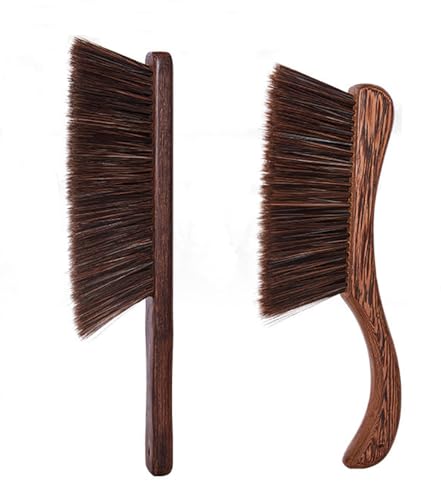
- Soft-bristle floor brush for hand-scraped hardwood surfaces
- Dust mop microfiber head for hardwood floors


Before You Start
Before cleaning, remove loose debris with a dry dust mop or broom. Protect baseboards and nearby furnishings by exercising caution around edges. Avoid soaking the floor—standing water can seep into seams and damage hand-scraped textures over time. Test cleaner on a hidden area if you’re unsure about the finish. Plan for a cleaning session that fits your floor’s layout, with time to dry between passes.
Step-By-Step: How To Clean Hand-Scraped Floors
- Prepare the area by removing rugs and furniture. Clear sightlines to all sections of the floor.
- Dust or sweep the floor with a dry dust mop microfiber head to lift loose grit that can scratch edges during wet cleaning.
- Lightly mist your pH-neutral hardwood floor cleaner spray for hand-scraped wood floors onto a microfiber pad or onto the mop, never directly onto the floor in large amounts.
- Wipe with the mop in the direction of the grain, paying attention to high-traffic zones where dirt settles into the texture of the hand-scraped surface.
- For stubborn spots, use a soft-bristle floor brush for hand-scraped hardwood surfaces dampened with cleaner. Gently scrub small areas in the grain’s direction.
- Rinse or go over the area with a clean, barely damp microfiber pad to remove any cleaner residue, ensuring no puddles form in seams or joints.
- Dry the floor with a clean, dry microfiber pad to speed evaporation and prevent water penetration.
- Return furniture and rugs after the floor is completely dry. If you use a wood floor cleaning kit with microfiber pad for hand-scraped floors, follow kit-specific instructions for best results.
- Schedule regular cleaning: light dusting several times per week and a deeper clean every few weeks, depending on traffic and pets.
- Periodically inspect the finish for dull spots or scratches and address issues promptly using the appropriate polish or refinishing steps recommended by your floor’s finish manufacturer.
- For uneven wear or water stains, repeat the process with extra care in affected areas, ensuring thorough drying after each pass.
- Store cleaning materials away from sunlit areas to prevent premature finish changes from UV exposure.
Troubleshooting
| Symptom | Likely Cause | Fix | Prevention |
|---|---|---|---|
| Cloudy or streaky finish | Residue left from cleaner | Wipe with a clean, damp microfiber pad, then dry | Use sparing amounts of cleaner and a properly damp pad |
| Water rings or dark spots | Excess moisture | Dry immediately with a clean pad; avoid puddles | Use minimal liquid and quick-dry methods |
| Scratches becoming more noticeable | Rough cleaning tools or grit | Switch to softer pads and clean with grain direction | Remove grit daily with a dust mop |
| Finish wearing unevenly in high-traffic areas | Inadequate protection or incompatible cleaner | Follow manufacturer guidelines for cleaners and consider refinishing | Use recommended products suited for hand-scraped textures |
Common Mistakes
- Using ammonia-based or waxy cleaners on hand-scraped finishes
- Over-wetting the floor or allowing water to pool in seams
- Using abrasive brushes or stiff pads that scratch the texture
- Skipping pre-cleaning dusting, which can drag grit into the finish
- Ignoring edge and corner areas where dust accumulates
Being mindful of these pitfalls helps preserve the authentic look of hand-scraped floors over time.
Tips For Best Results
- Dust-mop regularly to maintain the textured surface and reduce the need for wet cleaning.
- Warm-room cleaning is gentler on finishes; avoid cleaning in extreme temperatures.
- Use microfiber pads exclusively with gentle pressure to lift dirt without scratching.
- Rotate high-traffic areas by relocating rugs or furniture to distribute wear evenly.
- Consider a quarterly deep clean with a dedicated kit that matches the hand-scraped finish.
Call A Professional
Stop cleaning products from altering the appearance or finish of your floors if you notice peeling, bubbling, or discoloration. Seek professional guidance if you detect persistent dulling after routine cleaning, signs of moisture damage near the joints, or if refinishing becomes necessary. A licensed floor technician can assess whether the finish needs resealing or restoration beyond routine care.
FAQ
Can I use a steam mop on hand-scraped hardwood floors?
Steam mops are generally not recommended for hand-scraped hardwood floors as high heat and moisture can damage the finish over time.
How often should I deep-clean hand-scraped floors?
Deep-cleaning every 4–8 weeks is typical for busy homes, with more frequent cleaning in high-traffic areas.
What should I do if water sits on the floor?
Wipe it up immediately with a microfiber pad and allow the area to dry thoroughly to prevent warping.
Is a specific cleaner required for hand-scraped finishes?
A pH-neutral hardwood floor cleaner spray is typically safest and compatible with hand-scraped textures.
Can I use a vacuum on hand-scraped floors?
Yes, but use a vacuum with a hard-floor setting and a soft brush attachment to avoid scratching the texture.
Are there finish-specific maintenance steps?
Some finishes require recoating after years of wear; follow manufacturer recommendations for refinishing or resealing.
What if I notice dull patches after cleaning?
Inspect for residue or moisture; adjust cleaning technique and consider a professional assessment if dullness persists.
Buying Guide
Choosing cleaners and tools for hand-scraped hardwood floors involves several key factors. Size, coverage, and the finish type determine how you approach cleaning. Here are practical considerations to help compare options and select supplies that fit your home:
- Size and coverage: Larger mop heads cover more area per pass, saving time on big rooms, while smaller pads offer precision in corners.
- Noise level: Some cleaning tools operate quietly, which helps in multi-room living spaces without disruption.
- Energy efficiency: Manual mops and low-water cleaning minimizes electricity use; avoid powered steam systems that can stress finishes.
- Controls: Simple spray triggers and adjustable mop heads provide flexibility for different rooms and textures.
- Placement: Store cleaners in a dry, accessible area away from direct sunlight to preserve formulations and prevent degradation.
- Compatibility with hand-scraped texture: Choose a pH-neutral formula and microfiber pads that won’t embed into grooves, preserving texture.
When evaluating products, look for clear instructions, a neutral pH rating, and compatibility with hand-scraped finishes. A balanced kit that includes a microfiber mop, a soft-bristle brush, and a suitable cleaner tends to deliver consistent results across rooms. If you have pets or frequent dirt, invest in a robust dust-mop system and a kit that keeps grit away from the textured surface. Ready-to-use spray cleaners can simplify routine maintenance, while microfiber components reduce the risk of damage due to abrasive particles. If in doubt, test a small area first and follow up with professional refinishing guidance when needed.