Keeping the interior rear view mirror clean improves visibility and safety. This guide walks through a simple, effective method using common car cleaning tools and microfiber products designed to prevent streaks and residue. Whether you’re preparing for a daily commute or a road trip, a clean mirror helps you see more clearly and drive with peace of mind.
Quick Answer
Wipe with a glass cleaner or a spray bottle, use a microfiber cloth to buff away streaks, and finish with a dry towel or squeegee for a flawless shine. Avoid ammonia-based cleaners on tinted or plastic surfaces, and always wipe in a single direction to minimize smudges.
What You’ll Need
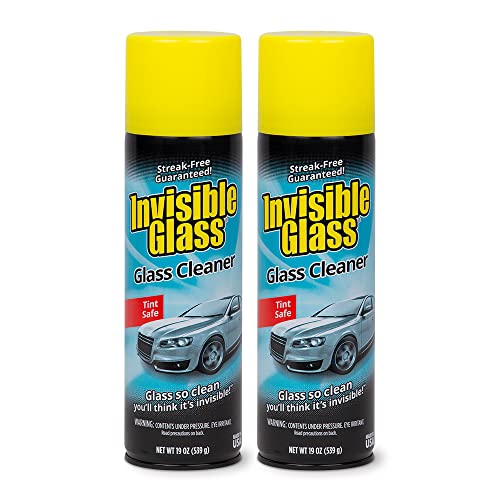
- Car glass cleaner spray 24 oz streak-free
- Microfiber detailing cloth for car glass 12×12
- Automobile interior glass cleaning kit microfiber towels squeegee
- Rearview mirror cleaning kit with microfiber cloth spray bottle
- Auto glass cleaning squeegee blade for mirrors


Before You Start
Prepare a clean, dust-free environment and choose a shaded area to prevent rapid drying that can leave streaks. Protect the dashboard and surrounding surfaces with a soft cloth as you work. Time your session for about 5–10 minutes. If the mirror has a lot of grime, you may need a second pass. Avoid spraying cleaner directly onto the mirror’s edge where it can seep into components.
Step-By-Step: How To Clean A Rear View Mirror
- Remove loose dust: Gently wipe the mirror surface with a dry microfiber cloth to lift dust and loose particles.
- Apply cleaner: Lightly spray car glass cleaner spray 24 oz streak-free onto a microfiber cloth, not directly on the mirror to prevent liquid seeping into edges.
- Initial wipe: Wipe the mirror in vertical or horizontal strokes, covering the entire reflective surface.
- Detail the edges: Use a smaller microfiber towel to clean around the frame and edges where fingerprints tend to accumulate.
- Buff to a streak-free shine: Use a dry microfiber cloth to buff the surface until it’s clear and free of smudges.
- Optional squeegee pass: For very smudged mirrors, use the auto glass cleaning squeegee blade for mirrors with light pressure to remove remaining streaks.
- Inspect from different angles: Check for glare and smudges by tilting your head and looking at the mirror from the driver’s seat.
- Repeat as needed: If any streaks remain, repeat the cleaning steps with a fresh cloth.
- Clean the back of the mirror: If the mirror is a removable type or has an accessible back, wipe that surface with the cloth moistened slightly with cleaner.
- Final wipe-down: Give one last pass with a dry microfiber cloth to ensure a uniform finish.
- Store tools properly: Clean and dry all cloths and store them in the automobile interior glass cleaning kit for next use.
- Optional upgrade: Use a dedicated microfiber detailing cloth for car glass for the outer surfaces as needed.
Troubleshooting
| Symptom | Likely Cause | Fix | Prevention |
|---|---|---|---|
| Cloudy, hazy mirror after cleaning | Residue left from cleaner | Buff with a dry microfiber cloth until clear | Use a small amount of cleaner and a clean cloth |
| Streaks despite cleaning | Dirty cloth or improper technique | Switch to a fresh microfiber cloth and wipe in a single direction | Wash or replace cloths regularly |
| Water spotting after rain or car wash | Hard water minerals | Re-wipe with distilled water or a mineral-free wipe | Clean soon after exposure |
| Cleaner runs into edges and frame | Over-spraying | Apply spray to cloth, not directly on mirror | Control spray amount |
Common Mistakes
- Spraying cleaner directly onto the mirror and frame, which can leak into electronics
- Using abrasive cloths that scratch the reflective surface
- Over-wetting, which leaves residue after drying
- Neglecting the edges and frame where fingerprints accumulate
Tips For Best Results
- Use dedicated glass cloths; color-coded microfiber towels help avoid cross-contamination with interior surfaces
- Work in a cool, shaded area to prevent quick drying and streaks
- Edge care matters; don’t overlook the mirror frame and mounting area
- Follow a consistent pattern (top-to-bottom or left-to-right) for repeatable results
Call A Professional
Consider a professional if the mirror has scratches, pits, or damage to the reflective coating. Seek help if the mirror is visibly cracked or if there is any electrical fault around the mirror housing. If you experience persistent streaks after multiple cleanings or notice unusual fogging, contact an auto glass technician for a diagnostic cleaning and assessment.
FAQ
Can I use household glass cleaner on a rear view mirror?
Yes, but choose a streak-free formula and avoid cleaners with ammonia on certain plastics. Always test on a small area first.
Should I clean the mirror with the car turned off or on?
Turn the car off and ensure the windows are closed to prevent drafts that can create streaks.
How often should I clean the rear view mirror?
Clean it whenever you notice fingerprints, smudges, or glare affecting visibility, typically weekly or during detailing.
What if the mirror has a non-glass coating?
Follow the manufacturer’s cleaning recommendations; use mild cleaners and soft cloths to avoid damage.
Buying Guide
When choosing products to clean a rear view mirror, consider size of the mirror, exposure to glare, and ease of access to edges. Look for streak-free formulas, microfiber compatibility, and a clean spray bottle that prevents over-wetting. Noise level and energy efficiency aren’t relevant for cleaning tools, but durability and ease of use matter. Consider a kit that bundles microfiber towels, a squeegee blade, and a spray bottle for a complete setup. For storage, select compact, portable kits that fit in a door pocket or glove compartment. Finally, confirm that the kit includes products designed for glass surfaces to avoid material damage.