Epoxy resins are common in construction, art, and repair projects, but their strong odor and fumes can be unpleasant or harmful if not managed properly. This guide explains practical, practical steps to reduce epoxy smell, improve air quality, and complete projects with safety in mind. It covers ventilation, protective gear, and effective odor control methods aimed at American households and workspaces.
Quick Answer
Ventilate the area thoroughly with fans and open windows; use a mask designed for chemical fumes when working with epoxy; employ activated carbon filtration or an odor eliminator product to neutralize lingering smells; and consider an inline ventilation setup for ongoing projects.
What You’ll Need
- Organic vapor respirator mask epoxy fumes
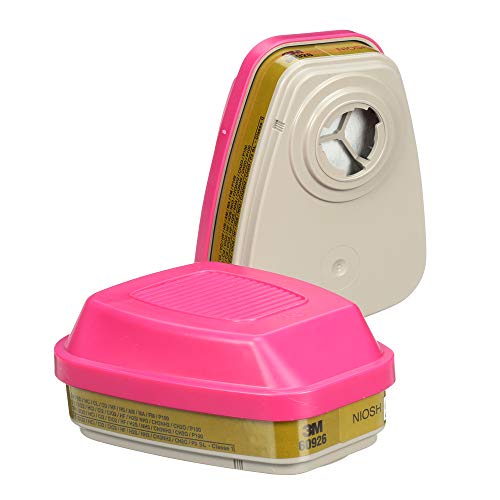
- P100 respirator epoxy smell cartridges
- Activated carbon air purifier for odors epoxy
- Odor eliminator spray epoxy smell remover
- Ventilating fan for epoxy fumes exhaust inline duct


Before You Start
Prepare the work area to limit exposure and odors. Ensure windows and doors can be opened and that there is a safe path for air movement. If a room lacks natural ventilation, set up a mechanical exhaust with an inline duct fan to pull fumes outdoors. Follow manufacturer instructions for all protective gear and products. Work in a well-ventilated space and avoid breathing epoxy vapors directly. Estimate time: most odor reduction steps can be effective within a few hours, but complete airing may take longer depending on room size and epoxy type.
Step-By-Step: How To Get Rid Of Epoxy Smell
- Put on an appropriate respirator mask with organic vapor cartridges to protect from fumes during handling and curing.
- Open all doors and windows to create cross-ventilation; position a portable fan to blow air out of the room if possible.
- Set up an inline duct fan or exhaust system to actively pull air from the workspace toward a secure outside vent.
- Place the activated carbon air purifier in the area where fumes are strongest to absorb odors over time.
- Apply a targeted odor eliminator spray to surfaces that contacted epoxy or to the air intake area where surfaces may emit volatile compounds.
- Allow air circulation for several hours after mixing and applying epoxy; avoid re-sealing the room during curing to prevent trapping odors.
- Consider using a second round of odor eliminator spray after the epoxy cures or reaches a less volatile stage.
- Keep the space well-ventilated during any subsequent sanding or finishing steps to minimize new vapor emissions.
- Inspect the area for lingering odors after cure; if strong smells persist, supplement with additional carbon filtration or temporary ventilation upgrades.
- Clean tools and spills promptly with recommended cleaners to prevent lingering fumes from evaporating from surfaces.
- Discontinue use of strong solvents near epoxy work areas to reduce cumulative vapor exposure.
- Dispose of used cartridges and filters per local hazardous waste guidelines after they become saturated.
Troubleshooting
| Symptom | Likely Cause | Fix | Prevention |
|---|---|---|---|
| Persistent odor after curing | Insufficient ventilation or high epoxy VOCs | Increase airflow, run carbon purifier longer | Ventilate during and after each application |
| Mask uncomfortable or ineffective | Wrong cartridge for the fumes | Switch to organic vapor or P100 cartridges | Store cartridges properly and replace as recommended |
| Odor returns after finishing | Area re-exposed to new epoxy work | Isolate workspace during subsequent work | Use dedicated space or barriers |
| Air purifier runs hot or sounds loud | Unit overwhelmed by high VOC load | Move purifier closer to source, add another unit | Match purifier capacity to room size |
Common Mistakes
- Working in a closed space without ventilation
- Using the wrong respirator cartridges for epoxy fumes
- Relying solely on generators of airflow without filtration
- Not allowing adequate curing time before reoccupying the space
Avoid these missteps by planning ventilation first, selecting suitable protective gear, and combining filtration with active air movement.
Tips For Best Results
- Run ventilation for at least 2–4 hours after finishing epoxy work, and longer for larger spaces.
- Position carbon filtration near the source of fumes for maximum odor capture.
- Choose a quiet, energy-efficient inline duct fan to keep air moving without excessive noise.
- Consider sealing epoxy-coated areas during curing to manage off-gassing; use breathable coverings if temporary access is needed.
- Regularly replace carbon filters and respirator cartridges per manufacturer guidelines to maintain effectiveness.
Call A Professional
Seek professional help if:
– Odors persist after thorough ventilation and filtration for several days.
– The space is a commercial or shared environment requiring strict air quality standards.
– Epoxy work involves large volumes or high-VOC formulations and specialized ventilation planning is needed.
FAQ
What masks are best for epoxy fumes?
Use an organic vapor respirator with appropriate cartridges, such as P100 cartridges designed for chemical fumes.
Can an air purifier remove epoxy odors?
Yes, especially models with activated carbon filters capable of absorbing VOCs and odors.
How long does epoxy off-gassing last?
Off-gassing can continue for hours to days, depending on epoxy type, temperature, and ventilation quality.
Is ventilation enough to remove all odors?
Ventilation is essential, but combining it with filtration and deodorizing sprays provides better results.
Buying Guide
When selecting gear to control epoxy smell, consider these factors to optimize performance and safety. Size matters: choose a purifier and fan rated for the room where epoxy work occurs. Noise level matters for comfort, especially in home workshops. Energy efficiency helps reduce running costs during long projects. Look for adjustable controls and timers to tailor ventilation to curing stages. Placement matters: place purifiers toward the source of fumes and fans to maximize cross-ventilation. Evaluate multiple options by room size, odor intensity, and the typical duration of epoxy work to achieve balanced odor control without overkill.