Possums can leave behind strong odors from urine, droppings, and biofilms that linger in homes, attics, garages, and outdoor spaces. This guide provides practical, safe methods to neutralize odor and prevent reoccurrence, using common cleaning approaches and targeted odor removers.
By following a structured plan—cleaning, deodorizing, and ongoing prevention—homeowners can reduce odor impact and maintain a fresher living environment without relying on harsh, unsafe methods.
Quick Answer
Act quickly to remove the source, use enzymatic cleaners designed for animal urine, ventilate the space, and follow with odor control products such as activated carbon air purifiers. For persistent smells, use a deodorizing spray and consider professional assessment for ongoing contamination.
What You’ll Need
- Enzymatic odor remover for animal urine 32oz spray
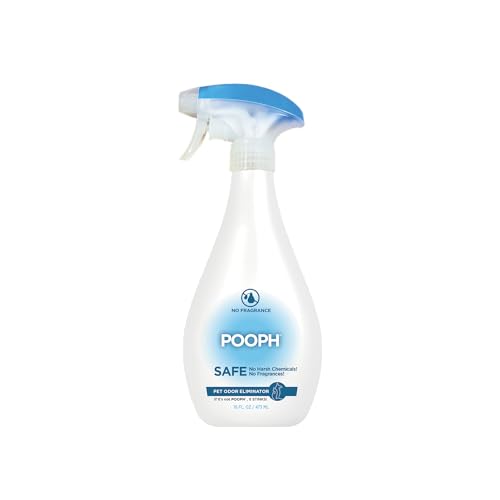
- Possum opossum urine odor eliminator enzymatic cleaner
- Air purifier with activated carbon for pet odor
- Ozone generator for indoor odor removal safety guidelines
- High-efficiency deodorizing spray for animal odor 16oz


Before You Start
Safety first: wear gloves and a mask when cleaning animal waste to avoid exposure to pathogens. Ventilate the area well to disperse fumes, especially when using enzymatic cleaners or deodorizing sprays. If the infestation is recent or widespread, consider sealing off the space during treatment and addressing entry points to prevent re-entry. Time estimates vary but plan for several hours of active cleaning plus drying time.
Critical cautions: do not mix cleaning products with bleach or ammonia; avoid heavy fogging indoors without professional guidance; read product labels for surface compatibility and ventilation requirements.
Step-By-Step: How To Get Rid Of Possum Smell
- Identify all odor sources: locate urine trails, droppings, nests, and areas where possums slept or clawed. The more sources you remove, the faster odor will dissipate.
- Contain the area: close doors, cover vents if needed, and isolate the affected room to prevent cross-contamination to other spaces.
- Remove solids safely: wear gloves and scoop up feces and solid waste into a sealed bag. Dispose of it in exterior trash after double-bagging.
- Clean with enzymatic cleaners: apply enzymatic odor remover for animal urine to all contaminated surfaces, including floors, walls, and porous materials. Let dwell time per label and rinse lightly if required.
- Treat porous materials: for fabrics, carpets, and upholstery, use the enzymatic cleaner on stained areas and consider a hot water extraction process once the enzymatic treatment is complete.
- Neutralize remaining odor: spray a high-efficiency deodorizing spray for animal odor on surfaces that cannot be fully washed, focusing on corners, baseboards, and under furniture.
- Air out with activated carbon: run an air purifier with activated carbon or HEPA filtration to capture lingering VOCs and odors. Keep the purifier running for 24–72 hours if possible.
- Use controlled odor reduction devices: if odors persist, follow the safety guidelines for an ozone generator, using the device only in unoccupied spaces and after carefully reviewing safety instructions.
Troubleshooting
| Symptom | Likely Cause | Fix | Prevention |
|---|---|---|---|
| Persistent smell after cleaning | Remaining urine residue in porous materials | Reapply enzymatic cleaner and perform deeper cleaning or extraction | Seal entry points and address nesting areas |
| Strong odor after using odor remover | Overwhelming chemical scent masking but not removing odor | Switch to enzymatic cleaner and increase ventilation | Use products as directed and avoid over-application |
| Odor returns after a few days | Re-entry or renewed contamination | Inspect for new entry points and re-clean affected zones | Implement exclusion methods and ongoing monitoring |
| Allergic or irritated reactions | Airborne irritants from cleaners | Limit exposure, improve ventilation, and switch products if needed | Wear protective gear during cleaning |
Common Mistakes
- Relying on fragrance sprays alone without treating the source or porous materials
- Using bleach on urine-stained fabrics or wood, which can damage surfaces and create new odors
- Not cleaning up before deodorizing, leaving organic matter that keeps odors alive
- Neglecting entry-point fixes, allowing possums to return
Correct sequencing—clean, enzymatically treat, deodorize, and finally purify the air—yields the best results.
Tips For Best Results
- Test cleaners on small, inconspicuous areas first to ensure surface compatibility
- Use enzymatic cleaners specifically formulated for animal urine to ensure biofilm breakdown
- Run the air purifier continuously during and after cleaning to accelerate odor removal
- Schedule follow-up checks to detect any lingering odors early
Call A Professional
Consult a professional if odor remains after repeated cleaning, if there is significant urine contamination in structural materials, or if there is uncertainty about animal intrusion. Stop-and-go odors may signal larger insulation or attic contamination requiring remediation.
FAQ
What is the best way to remove possum urine odor?
Use an enzymatic odor remover designed for animal urine on affected surfaces, then follow with an activated carbon air purifier to capture residual VOCs.
Can ozone generators be used indoors for odor control?
Ozone generators can remove odors but must be used only according to safety guidelines and when spaces are unoccupied to prevent health risks.
How long does it take to eliminate possum odor?
Times vary by space and contamination level, but expect several cleaning sessions over 24–72 hours plus air treatment delays for best results.
Should I replace materials like carpet after possum exposure?
Porous materials with deep staining or biofilms may require cleaning or replacement to fully remove odor.
What prevention steps help stop possums from returning?
Seal entry points, trim access routes, remove attractants, and maintain a clean space to deter reentry.
Are enzymatic cleaners safe for pets and children?
Most enzymatic cleaners designed for animal urine are formulated to be safe when used as directed; avoid ingestion and follow product labels for safety guidance.
What should I do if odor recurs after a successful cleaning?
Reassess for new contamination sources, re-clean with enzymatic products, and consider using a high-capacity air purifier to reduce lingering VOCs.
Buying Guide
Choosing products to tackle possum odors involves balancing effectiveness, safety, and ease of use. Consider the following factors to compare options and select the right tools for your space.
- Enzymatic odor removers: Look for cleaners labeled specifically for animal urine and biofilms. They target odor-causing enzymes and are suitable for floors, walls, and porous materials.
- Deodorizers and sprays: Use high-efficiency deodorizing sprays for areas that are difficult to wash. They should complement enzymatic cleaners, not replace them.
- Air purification: An air purifier with activated carbon helps absorb odors and VOCs. HEPA filters further improve air quality by capturing fine particles.
- Odor treatment devices: Ozone generators can be effective but require strict safety protocols. They should only be used in unoccupied spaces and with proper guidance.
- Surface compatibility: Check that cleaners are safe for wood, carpet, fabric, and metal surfaces in your home to avoid damage.
- Ease of use: Choose products with clear instructions, appropriate spray triggers, and coverage suitable for the size of the affected area.
- Safety certifications: Look for products with third-party safety or pet-safe designations and read label cautions.
When planning purchase decisions, consider the size of your space, the level of contamination, and whether you prefer a one-time deep treatment or ongoing odor management. Combining enzymatic cleaners with air purification often yields robust results, while ozone-based approaches should be reserved for controlled use.