Maintaining a clean dishwasher helps ensure dishes come out sparkling and free of odors. This guide covers practical steps, safe products, and best practices to keep the interior and spray arms in top condition.
Quick Answer
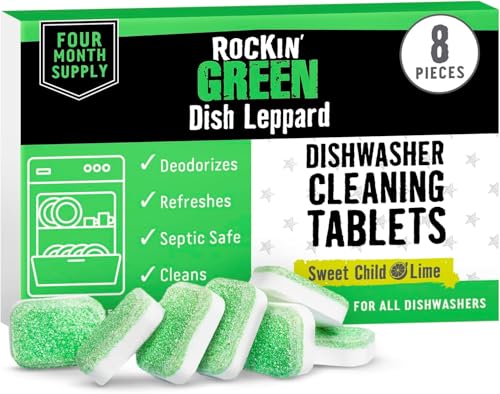
Run a hot cycle with an automatic dishwasher cleaner tablet or dishwasher descaler powder once a month, then use a dishwasher tub cleaner spray for targeted spots. Wipe the door seal, then finish with a deodorizing block tablet to keep unpleasant smells away.
What You’ll Need
- Automatic dishwasher cleaner tablets
- Dishwasher descaler powder
- Dishwasher tub cleaner spray
- Dishwasher interior cleaning brush
- Dishwasher deodorizing block tablet


Before You Start
Ensure the dishwasher is cool before handling. Remove racks to access gaskets and corners. Check the drain for debris and run a quick pre-clean cycle if your model supports it. Avoid mixing cleaner types unless the manufacturer permits it. Plan for a quiet window of 60–90 minutes for the full cleaning cycle, plus a brief wipe-down afterward.
Step-By-Step: How To Clean A Dishwasher
- Empty the dishwasher and remove racks to access the tub surface and spray arms.
- Wipe the door gasket and door edges with a damp cloth to remove grime buildup.
- Place an automatic dishwasher cleaner tablet in the dispenser and run the hottest cycle with no dishes.
- For mineral buildup, run a cycle using dishwasher descaler powder as directed by the product label.
- Spritz the interior with dishwasher tub cleaner spray on any spots, then scrub with the interior cleaning brush.
- Check and scrub around the spray arms to remove trapped food particles that can affect performance.
- Wipe the tub floor and corners with a clean cloth to pick up loosened residue.
- After cleaning, run a quick rinse cycle with an empty load to clear any remaining cleaner remnants.
- Apply a dishwasher deodorizing block tablet in its designated compartment or on the bottom of the tub if recommended.
- Reinsert racks and run a final hot water cycle with dishes loaded normally to verify cleanliness.
- Inspect seals and hinges for wear and replace if necessary to maintain a proper seal.
- Keep a monthly habit of sweeping out debris from the drain area to prevent clogs.
Troubleshooting
| Symptom | Likely Cause | Fix | Prevention |
|---|---|---|---|
| Dishes come out streaky | Mineral buildup or residual cleaner | Run a hot cycle with descaler; wipe with tub cleaner spray | Regular monthly cleaning |
| Bad odor persists | Food debris in filter or drain | Clean filter and drain area; use deodorizing block | Rinse dishes before loading; check seals |
| Spray arms clogged | Food particles trapped | Remove and rinse arms; clear holes with a pin | Pre-rinse heavy soils |
| Water not draining | Blocked pump or hose | Inspect and clear pump and hose; run drain cycle | Clean monthly; avoid disposing solids |
Common Mistakes
- Using vinegar as a primary cleaner in a dishwasher cycle, which can damage rubber components over time.
- Overloading the dishwasher or blocking spray arms with large utensils or bowls.
- Using the wrong cleaner on manual dials or incompatible with certain models.
- Neglecting the door gasket, which can harbor mold and odors.
Tip: Always follow product instructions and consult your dishwasher’s manual for compatible cleaners and cycle settings.
Tips For Best Results
- Run hot cycles with clean water for optimal cleaning performance.
- Schedule cleaning on days with ample time to complete the full cycle and drying steps.
- Rotate or replace filters and spray arms when you notice reduced cleaning power.
- Use a deodorizing block tablet regularly to maintain a fresh scent without overpowering fragrances.
Call A Professional
Seek professional help if there are persistent leaks, unusual noises during cycles, electrical issues, or if the dishwasher fails to run despite cleaning efforts. Advanced repairs, electrical components, or seal replacements should be handled by a qualified technician.
FAQ
What is the best cleaner for a dishwasher?
Use products designed specifically for dishwashers, such as automatic dishwasher cleaner tablets and dishwasher descaler powder, following the manufacturer’s instructions.
How often should I clean my dishwasher?
Perform a thorough cleaning every 1–3 months depending on usage and water hardness; deodorizing blocks can be used monthly for odor control.
Can I use regular household cleaners in a dishwasher?
No. Regular cleaners may leave residues or damage seals and components; use only dishwasher-specified cleaners.
Why are my dishes still dirty after cleaning?
Check spray arms, filters, and drain for clogs, and run a hot cycle with a descaler to remove mineral buildup.
Buying Guide
Choosing the right cleaning routine and products depends on dishwasher size, cycle options, and water hardness. Consider how often the appliance is used, whether you prefer tablets or powders, and the ease of use of maintenance products. Look for compatibility with your model and whether the products are safe for seals and rubber gaskets.
FAQs About Products And Maintenance
Size, compatibility, and the type of cleaner are key factors when selecting products. For example, automatic dishwasher cleaner tablets are convenient and store neatly, while descaler powder is effective for mineral buildup in hard water zones. A tub cleaner spray offers targeted spot treatment, and an interior cleaning brush helps reach tight corners. Deodorizing blocks provide ongoing odor control between deeper cleanings.