Electric stovetops, especially ceramic glass surfaces, offer a sleek look but require careful cleaning to maintain their shine and prevent scratches. This guide covers practical methods and the right tools to remove spills, stains, and burnt-on residue without damaging the surface.
Quick Answer
Use a non-abrasive ceramic cooktop cleaner with a soft scraper for tough stains, followed by a glass cleaner spray and microfiber cloths for a spotless shine. For daily upkeep, wipe with a damp cloth and a non-scratch pad after cooking.
What You’ll Need
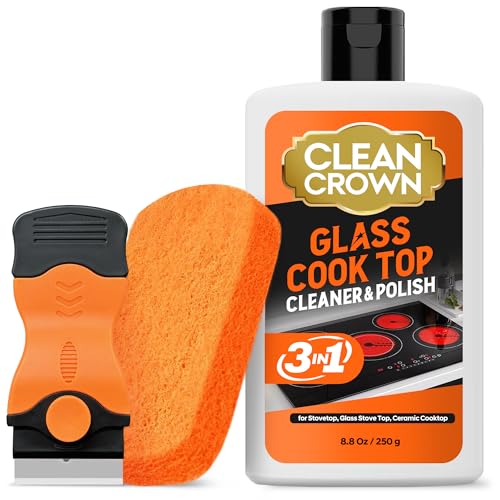
- ceramic glass cooktop cleaner kit with scraper
- stovetop glass cleaner spray with microfiber cloths set
- ceramic cooktop razor scraper blade kit
- non-scratch scrub pads for ceramic stove top
- handheld steam cleaner for kitchen stovetop cleaning


Before You Start
Ensure the cooktop is completely cool before cleaning. Remove any loose debris with a soft cloth. Work in a well-ventilated area and follow product label instructions. Avoid abrasive tools and harsh chemicals that can scratch or etch the surface. Aiming for a calm, methodical approach helps prevent streaks and damage. Time estimate: 10–20 minutes for a typical cleaning session, longer for heavy messes.
Step-By-Step: How To Clean A Ceramic Cooktop
- Remove loose debris and crumbs from the surface with a dry microfiber cloth.
- Apply a small amount of ceramic glass cooktop cleaner to the surface or directly to the cleaner pad.
- Gently scrub circularly to lift greasy residues, focusing on stubborn spots without applying excessive pressure.
- Use a ceramic cooktop razor scraper blade kit to carefully lift burnt-on material from cooled areas only, keeping the blade at a shallow angle.
- Wipe away cleaner and residue with a clean microfiber cloth until the surface looks hazy but clean.
- Finish with a dedicated stovetop glass cleaner spray and a fresh cloth to buff to a crystal-clear shine.
- For routine upkeep, wipe daily with a damp cloth and finish with a dry microfiber cloth.
- If steam cleaning, use a handheld steam cleaner on a low setting, then wipe away moisture and residue with a microfiber cloth.
Troubleshooting
| Symptom | Likely Cause | Fix | Prevention |
|---|---|---|---|
| Streaks after cleaning | Residue left from cleaner | Buff with a clean microfiber cloth and a small amount of cleaner | Use the recommended amount and wipe in one direction |
| Scratches visible | Razor scraper used incorrectly or abrasive pads | Discontinue heavy scrubbing; switch to non-scratch pads | Scrape only at low angles on cooled surfaces |
| Burnt-on film remains | Heavy deposits | Apply cleaner, let sit briefly, then gently scrub and rinse | Clean spills promptly during cooking |
| Streaks with steamed residue | Moisture trapped | Dry surface thoroughly with microfiber cloth | Wipe and buff after steam cleaning |
Common Mistakes
- Using abrasive scrub pads or metal tools on ceramic surfaces
- Leaving cleaner on the surface for long periods
- Scratching at burnt-on spots instead of using proper scraping technique
- Neglecting to remove all moisture, leading to streaks
- Using household cleaners not approved for glass cooktops
Tip: Always test a small inconspicuous area first with any cleaner or scraper to ensure compatibility.
Tips For Best Results
- Wipe spills promptly to prevent hardening and baking-on stains.
- Heat up a tiny portion of cleaner on a cooled area to soften difficult residues before scrubbing.
- Use a microfiber cloth that is clean and dry for final buffing to a glare-free shine.
- Keep a dedicated dedicated scraper and cloths for the stovetop to avoid cross-contamination.
- Schedule a monthly deep clean to maintain surface clarity and longevity.
Call A Professional
Contact a professional if the surface shows deep scratches, cracks, or pitting, or if cleaning attempts fail to restore clarity. If there is any heat damage or glass breakage, stop using the appliance and seek expert service promptly.
FAQ
Can I use a regular glass cleaner on a ceramic cooktop?
Yes, but prefer products formulated for ceramic or glass cooktops for best results and to reduce residue.
Is a razor scraper safe for everyday cleaning?
Razor scrapers are safe when used carefully on cooled surfaces and following instructions; use only on burnt-on spots.
How often should I deep clean my ceramic cooktop?
Deep clean monthly or when heavy residue is present; do light daily wipes to maintain shine.
What should I avoid using on ceramic tops?
Avoid abrasive powders, scouring pads, bleach, ammonia-based cleaners, and metallic scrubbers.
Buying Guide
When choosing cleaners and tools for a ceramic or glass electric stovetop, consider size, compatibility with glass-ceramic surfaces, and ease of use. Key buying factors include:
- Size and coverage: Choose cleaner kits with applicator pads or scrapers sized for your burner area to maximize efficiency.
- Noise and ease of use: Sprays and microfiber cloths minimize noise while delivering streak-free results.
- Energy efficiency and surface care: Regular maintenance helps the surface reflect better heat and efficiency.
- Controls and safety: Use dedicated tools designed for ceramic cooktops to avoid damage and ensure safe operation.
- Placement: Store cleaners and scrapers in an accessible cabinet away from heat sources and children.
Looking for a balanced setup? A ceramic glass cooktop cleaner kit with a scraper paired with a non-scratch scrub pad kit and microfiber cloths tends to cover daily upkeep and deep-clean needs. Curious about steam cleaning? A handheld steam cleaner can help loosen grime before wiping away, but use it sparingly to avoid moisture buildup on controls.