Misting systems add a refreshing touch to outdoor spaces, kitchens, and patios. Over time, mineral buildup, algae growth, and debris can clog nozzles, reducing mist output and quality. This guide walks American users through safe, effective cleaning methods, recommended tools, and best practices to keep misting nozzles operating at their best.
Quick Answer
To restore mist quality, disassemble the misting nozzle, rinse with clean water, soak in a descaler solution if mineral buildup is present, and use a dedicated cleaning tool or brush to scrub the nozzle body. Rinse thoroughly and reassemble. For stubborn deposits, an ultrasonic cleaner can help, followed by a final rinse and test run.
What You’ll Need
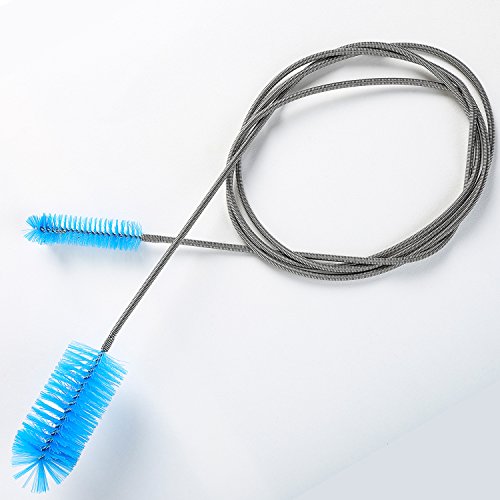
- misting system nozzle cleaning brush
- misting nozzle cleaning kit
- descaler for misting system
- misting line cleaning tool
- ultrasonic cleaner for misting nozzles


Before You Start
Prepare a clean working area and gather safety gear such as eye protection. Shut off the water supply and relieve pressure before touching any components. Inspect the misting line for leaks, damaged tubing, or loose fittings. Have spare O-rings or seals on hand in case you need to replace them. The cleaning process generally takes 30–60 minutes depending on system size. Do not use abrasive cleaners or strong solvents that could harm plastic components.
Note the different nozzle types in your system, as some models require specific adapters. If your system is under warranty, review the manufacturer’s cleaning guidelines to avoid voiding coverage.
Step-By-Step: How To Clean Misting Nozzles
- Shut off water supply and relieve line pressure. Disconnect the nozzle cluster from the main line if needed to access each nozzle easily.
- Rinse nozzles with clean water. Use a gentle stream to remove loose debris and mineral films from the exterior.
- Prepare a descaler solution following the product’s instructions. Soak nozzle heads briefly to loosen mineral deposits; avoid prolonged exposure that could damage seals.
- Use the misting system nozzle cleaning brush or a dedicated cleaning kit to scrub the nozzle’s interior and exterior surfaces. Pay special attention to small orifices and bends.
- Run clean water through the line to flush out dislodged deposits. If provided, use a line cleaning tool to guide brushing through tubing and connectors.
- For persistent buildup, place the nozzles in an ultrasonic cleaner for a short cycle, then rinse again. This helps dislodge stubborn scale without disassembling components.
- Reassemble the nozzle cluster and restore the water supply. Perform a slow test to observe mist output and coverage. Check for leaks around fittings.
- Inspect misting lines for new buildup after a few days of operation. Schedule regular maintenance intervals based on water hardness and usage.
- Document maintenance tasks and replace any worn seals or gaskets to maintain optimal performance.
- Run the system for a full test cycle, observing spray pattern, droplet size, and uniformity across all nozzles. Adjust flow if necessary.
Troubleshooting
| Symptom | Likely Cause | Fix | Prevention |
|---|---|---|---|
| Uneven mist or some nozzles not spraying | Clogged nozzles or hoses | Clean with brush, soak in descaler, flush lines | Regular maintenance; use filtered water |
| Reduced spray force | Mineral buildup inside tip | Descale and ultrasonic cleaning | Install particle/soft water filtration |
| Drips after shutdown | Worn seals or O-rings | Replace seals; ensure proper seating | Inspect annually and replace aging parts |
| Cloudy or discolored mist | Contaminants in water | Flush lines and replace liquid filters if present | Use treated water and clean containers |
Common Mistakes
- Using abrasive brushes that scratch nozzle surfaces
- Over-soaking plastic components in harsh chemicals
- Neglecting to flush lines after cleaning
- Forgetting to check for leaks after reassembly
- Skipping replacement of worn seals when disassembled
Tips For Best Results
- Establish a regular cleaning schedule based on water hardness and system usage.
- Prefer descalers compatible with your nozzle materials and recommended by the manufacturer.
- Use the ultrasonic cleaner option for especially stubborn deposits, but follow device guidelines regarding temperature and duration.
- Label hose connections to simplify reassembly and maintenance checks.
- Keep a small spare parts kit handy for quick repairs and downtime minimization.
Call A Professional
Seek professional help if one or more of these signs appear: persistent leaks after reseating fittings, persistent clogging despite cleaning cycles, cracking or deforming of nozzle bodies, or if hard-water scale seems to have damaged the main line. A pro can verify water quality, replace hard-to-reach components, and recheck overall system integrity to prevent costly downtime.
FAQ
Can I use household cleaners to clean misting nozzles?
Stick to descalers and cleaners designed for misting systems to avoid damaging plastics or seals.
How often should I clean misting nozzles?
Many systems benefit from a quarterly clean, with more frequent maintenance if water is hard or mineral-rich.
Is an ultrasonic cleaner necessary?
It’s optional but effective for stubborn deposits on nozzles where standard brushing isn’t enough.
Will cleaning affect spray pattern?
Yes, cleaning restores proper spray and droplet size; poor patterns often indicate clogged or worn components requiring maintenance.
Buying Guide
When selecting tools and accessories to support misting nozzle maintenance, consider factors like compatibility with your system, build quality, and ease of use. The following buying guide helps compare options:
- Misting system nozzle cleaning brush vs. generic brushes: Look for soft, bristle types that won’t scratch nozzles yet provide effective scrubbing.
- Misting nozzle cleaning kit: Kits should include multiple brush sizes, adapters, and a cleaning fluid compatible with common nozzle materials.
- Descaler for misting system: Choose a descaler designed for the specific mineral profile in your water and compatible with plastics and metals in the system.
- Misting line cleaning tool: Tools that reach into tubing and connectors help remove buildup without disassembly.
- Ultrasonic cleaner for misting nozzles: An ultrasonic unit can dramatically improve deposit removal, especially for intricate nozzle geometries.
Other practical considerations include system size, accessibility of nozzles, water hardness, and maintenance frequency. If space is limited, look for compact cleaning tools and travel-friendly kits. For homes with hard water, investing in a filtration upgrade may reduce buildup over time. Finally, ensure that any product you buy carries clear usage instructions and warranty support from reputable brands.