Citric acid is a practical, eco-friendly option for removing mineral buildup, grease, and odors from dishwashers. This guide explains a straightforward method to use citric acid safely and effectively, helping keep the appliance running smoothly and smelling fresh.
Quick Answer
Run a hot, empty cycle with a citric acid product designed for dishwashers or a homemade citric acid solution. For best results, repeat every one to three months, depending on water hardness and usage.
What You’ll Need
- Citric acid dishwasher cleaner powder 1 lb
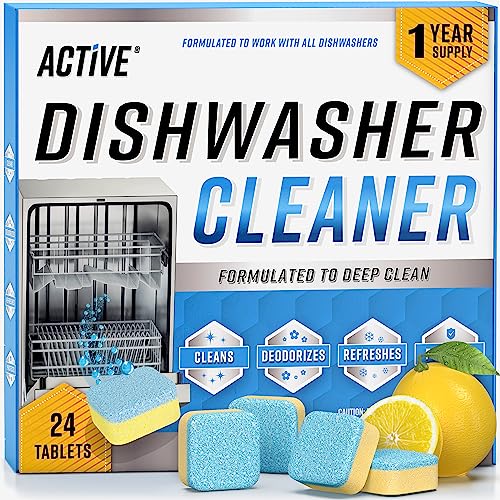
- Dishwasher descaler citric acid tablets
- Citric acid-based dishwasher cleaning tablets
- Dishwasher interior cleaning brush for self-clean
- Citric acid descaler spray for dishwasher


Before You Start
Before cleaning, ensure the dishwasher is completely cool and unplugged or switched off at the circuit. Remove racks to access the interior and clean the spray arms and filter manually if needed. Do not mix citric acid with bleach or ammonia. For homes with very hard water, consider a more frequent cleaning schedule. Plan for a 60–90 minute window to complete the process, including soak time if you use a spray or brush.
Step-By-Step: How To Clean A Dishwasher With Citric Acid
- Remove all dishes and racks from the dishwasher.
- Inspect the filter and drain to ensure there are no obstructions; wipe them clean with a damp cloth.
- Place a dishwasher-safe cup of hot water on the top rack to help loosen residues.
- Pour 1–2 tablespoons of citric acid dishwasher cleaner powder or drop a single citric acid-based cleaning tablet into the detergent dispenser.
- Run a hot water cycle with the dishwasher empty to dissolve the citric acid and rinse away mineral deposits.
- If you notice stubborn buildup, spray the interior with citric acid descaler spray and scrub with the interior cleaning brush for self-clean tools.
- Pause the cycle at the end of the wash to let the interior soak for 10–15 minutes, then resume for a complete rinse.
- Run a second hot cycle without any additives to ensure all residue is flushed out.
- Wipe the door gasket and exterior with a damp cloth; dry with a clean towel to prevent future streaking.
- Reinsert racks and test the unit with a small load to confirm proper operation and drainage.
Troubleshooting
| Symptom | Likely Cause | Fix | Prevention |
|---|---|---|---|
| Dishwasher smells after cleaning | Backlog of food particles or mold in seals | Clean seals with a citric acid spray and brush | Regular cleaning every 1–3 months |
| Residue on dishes after cycle | Insufficient rinse or overloading | Run an additional rinse cycle; avoid overcrowding | Spread items evenly and use recommended amounts |
| Cycle not starting or draining poorly | Clogged filter or spray arm | Clean filter and spray arms; check for blockages | Inspect monthly and replace worn parts as needed |
| Streaks on interior walls | Insufficient rinsing or mineral deposits | Increase rinse time or repeat hot cycle with citric acid | Use soft water or add an inline water softener if available |
Common Mistakes
- Using too much citric acid, which can leave residues or corrode gaskets over time.
- Cleaning while the dishwasher is still warm; allow it to cool to avoid steam burns and ensure safe handling.
- Mixing citric acid with bleach or ammonia, which creates hazardous fumes.
- Ignoring the filter and spray arms, leading to recurrent buildup.
Tips For Best Results
- Schedule cleanings with water hardness in mind; harder water may require more frequent sessions.
- Use citric acid products specifically formulated for dishwashers for optimal compatibility.
- Rotate cycles between heavy and light loads to prevent uneven mineral deposits.
- Keep the door seals dry after cleaning to minimize mold growth between cycles.
- Combine a spray cleaner with a brushing step for hard-to-reach corners.
Call A Professional
Contact a pro if the dishwasher has persistent leaks, unusual noises, failure to drain after multiple clean cycles, or if mineral buildup remains after repeated cleaning. Seek urgent help if there are signs of electrical issues, damaged door seals, or visible corrosion.
FAQ
Can I use regular citric acid powder for dishwasher cleaning?
Yes, provided it is specifically labeled for dishwasher use and used in recommended amounts.
How often should I clean my dishwasher with citric acid?
Typically every 1–3 months, depending on water hardness and usage.
Is citric acid safe for all dishwasher models?
Most models tolerate citric acid cleaners; check your manual for recommendations.
What’s the difference between citric acid cleaner powder and tablets?
Powder provides direct dosing; tablets are convenient and pre-measured for ease of use.
Buying Guide
When choosing citric acid products for dishwasher care, consider size, form, and compatibility with your machine. Look for products that explicitly state dishwasher-safe and avoid mixes that include bleach or harsh solvents. Compare powder versus tablet formats for your convenience and typical cleaning frequency. Consider a spray or brush tool if you want targeted interior cleaning. For households with hard water, a descaler spray can offer quick spot cleaning, while tablets may provide ongoing descaling with routine cycles. Finally, verify that the products you select are proven safe for seals and interior plastics.