PVC trim adds a clean, durable touch to decks, windows, and siding, but it still benefits from regular cleaning to maintain its appearance. This guide explains a straightforward process using common cleaning tools and safe, non-abrasive products designed for vinyl surfaces. Read on for step-by-step instructions, troubleshooting tips, and buying guidance to keep PVC trim looking fresh.
Quick Answer
Use a non-abrasive PVC cleaner degreaser spray with a soft-bristle brush and a microfiber cloth. Apply to the PVC trim, scrub gently, rinse with water, and dry with a clean cloth for a streak-free finish.
A Quick List Of What You’ll Need
Before starting, gather these items for efficient cleaning and to protect nearby surfaces:
- PVC trim cleaner spray vinyl plastic outdoor cleaner
- Soft-bristle brush for PVC trim cleaning
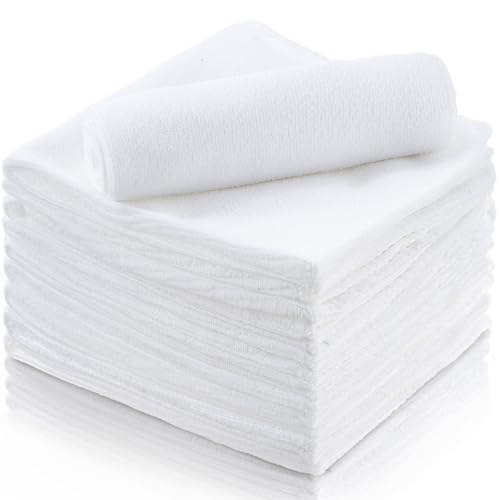
- Microfiber cloth for vinyl PVC trim cleaning
- Vinyl siding cleaner brush combo for PVC trim
- Non-abrasive PVC cleaner degreaser spray


Before You Start
Prepare the area by removing outdoor furniture or placing a drop cloth to catch runoff. Test a small, inconspicuous section of trim first to ensure no discoloration occurs. Use warm water and a mild spray cleaner to avoid saturating joints. Protect nearby plants by rinsing thoroughly and avoiding harsh chemicals near foliage. Time estimates vary, but allow 20–40 minutes for a single coating and light scrubbing on typical trim surfaces. Never use abrasive pads or high-pressure washers directly on PVC trim, as they can scratch or dull the finish.
Step-By-Step: How To Clean PVC Trim
- Prepare the cleaning solution by applying a non-abrasive PVC cleaner degreaser spray to a spray bottle or directly onto the trim, following the product’s instructions.
- Gently mist the surface to loosen dirt and grime, starting at one end and moving methodically along the trim.
- Dip a soft-bristle brush for PVC trim cleaning into warm, soapy water or the cleaner solution, then lightly scrub in small, circular motions to lift embedded dirt.
- Spot-clean stubborn stains by applying a bit of cleaner directly to the stain and brushing in a tight, vertical or horizontal pattern to avoid new scratches.
- Rinse thoroughly with a garden hose or a bucket of clean water to remove soap residue, ensuring no suds remain on the surface.
- Dry the trim with a microfiber cloth for vinyl PVC trim cleaning to prevent water spots and streaks. Use a circular motion for a polished look.
- Inspect for any remaining marks. If needed, repeat the cleaning on the affected areas without applying excessive moisture.
- Allow the trim to air-dry completely before reattaching hardware or returning items near the cleaned area.
- For outdoor installations, consider periodic maintenance with the same routine to preserve color and finish.
- Store any remaining cleaner in a cool, dry place and keep it out of reach of children and pets.
- Document the time and method used for future reference, especially in high-traffic outdoor zones or areas prone to dirt buildup.
- If you plan long-term maintenance, consider scheduling seasonal cleanings to prevent mildew and staining on shaded surfaces.
Troubleshooting
| Symptom | Likely Cause | Fix | Prevention |
|---|---|---|---|
| Streaks after cleaning | Residue from cleaner or hard water | Rinse thoroughly and dry with microfiber cloth | Use distilled or filtered water for final rinse |
| Scratches or dull finish | Abrasive material or harsh cleaner | Stop using abrasive tools; switch to non-abrasive spray | Always use soft-bristle brushes and non-abrasive products |
| Discoloration after cleaning | Reaction with cleaning solution or prolonged sun exposure | Test a small area; if persistent, consult product guidelines | Clean during cooler parts of the day |
| Mildew on shaded areas | Moisture retention and organic growth | Use a cleaner with mildewcide and scrub thoroughly | Improve drainage and airflow around trim |
Common Mistakes To Avoid
- Using abrasive pads or metal brushes on PVC trim, which can scratch and dull the surface.
- Applying cleaners directly to stained joints or sealants without testing first.
- Rinsing with hot water, which can warp or affect finish over time.
- Over-wetting the area, especially near electrical outlets or wooden siding where moisture can cause swelling.
- Ignoring safety recommendations for outdoor cleaners and not wearing gloves or eye protection when handling sprays.
Tips For Best Results
- Work in shade or during cooler parts of the day to prevent rapid drying, which can cause streaks.
- Use a microfiber cloth for final drying to reduce lint and improve shine.
- Rotate cleaning tools between sections to prevent cross-contamination of dirt and cleaner residues.
- Check manufacturers’ guidelines for any variations in recommended cleaners for specific PVC trim brands.
- Keep a small jar of the cleaner and a travel-size brush for quick touch-ups after rain or heavy pollen seasons.
When To Call A Professional
Consider professional help if:
- The PVC trim shows deep staining, chalking, or fading that does not improve with cleaning.
- There are visible cracks or warping in the trim components.
- Adjacent surfaces (siding, paint, or sealant) appear compromised or water infiltration is suspected.
FAQ
Can I use household cleaners to clean PVC trim?
Household cleaners can work if they are non-abrasive and safe for vinyl. Always test a small area first.
Is pressure washing safe for PVC trim?
Low-pressure washing can be safe if used carefully; high pressure can damage the surface or joints.
How often should I clean PVC trim?
Biannual cleaning or after seasons with heavy pollen or mildew buildup is usually sufficient for most homes.
Will cleaning restore color and whiteness?
Routine cleaning helps restore brightness, but heavy staining or UV exposure over years may require refinishing or replacement in extreme cases.
Buying Guide
When choosing cleaning products for PVC trim, consider factors that influence effectiveness and safety. The right cleaner should be non-abrasive, formulated for vinyl or PVC plastics, and capable of degreasing without leaving residues. Look for tools that are gentle yet effective, such as soft-bristle brushes and microfiber cloths, to protect the trim’s surface. Assess whether a spray-on cleaner or a gentle liquid is preferred for your cleaning routine and whether it aligns with your climate and exposure to sun and rain. For outdoor use, choose products labeled for exterior vinyl and that are compatible with a broad range of PVC trim brands. Finally, consider storage size and ease of use for regular maintenance throughout the year. Would you benefit from a combined kit that includes a cleaner spray, a soft brush, and a microfiber cloth for all-in-one convenience? A well-chosen kit can simplify future cleaning and help maintain a fresh, pristine appearance for PVC trim.