Pressure treated wood requires careful cleaning to preserve its appearance and longevity. This guide outlines practical steps, the right tools, and safe practices to effectively remove dirt, mildew, and stains from decks and other outdoor wood surfaces.
Following a consistent cleaning routine helps protect the wood from decay and extends the life of treated lumber, while maintaining a bright, natural look.
Quick Answer
Best starting method: Use a pressure washer with a soft wash setting and a deck cleaner designed for pressure treated lumber, followed by a wood brightener if needed. Work from the edges toward the center and rinse thoroughly.
What You’ll Need
- 2000-3000 psi pressure washer for wood deck cleaning
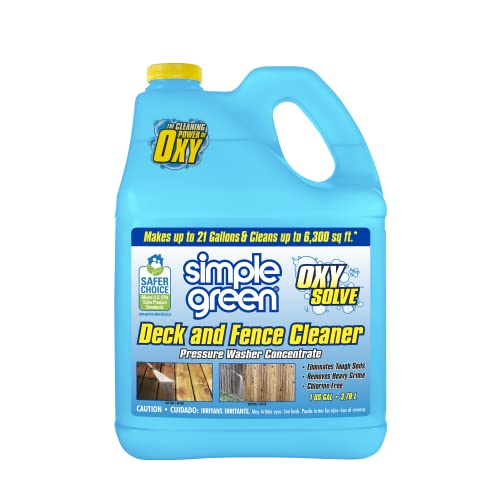
- Deck cleaner for pressure treated lumber concentrate
- Deck scrubbing brush long-handled for wood cleaning
- Soft wash spray nozzle for pressure washer wood cleaning
- Wood brightener and cleaner kit for pressure treated decks


Before You Start
Inspect the wood for nails or staples and remove any loose debris. Clear the deck of furniture and planters. Protect nearby plants with plastic sheeting and use eye protection and gloves. Time your cleaning for a dry day to allow surfaces to dry before sealing or staining. Never use a high-pressure setting on old or warped wood as it can gouge fibers and cause splintering. Allow new wood to weather a bit before deep cleaning to avoid excessive absorption.
Step-By-Step: How To Clean Pressure Treated Wood
- Prepare the surface by sweeping away dirt and loose particles.
- Mix a deck cleaner for pressure treated lumber according to the product instructions in a bucket or spray bottle.
- Attach the deck cleaner concentrate to the pressure washer’s cleansing nozzle and apply a uniform coat to the wood, working in small sections.
- Use a long-handled deck scrubbing brush to gently scrub the boards in the direction of the grain, focusing on stained or mildewed areas.
- Let the cleaner sit for the recommended dwell time, then reapply if heavily soiled.
- Rinse with a soft wash spray nozzle set to a low-to-moderate pressure, again working with the grain and from outer edges inward.
- Inspect the surface after rinsing. If stubborn stains remain, repeat cleaning on affected areas.
- Optional: Apply a wood brightener and cleaner kit to restore color and neutralize cleaning residues, following label directions.
- Allow the wood to dry completely, typically 24–48 hours, before sealing or staining.
Troubleshooting
| Symptom | Likely Cause | Fix | Prevention |
|---|---|---|---|
| Wood still looks gray or discolored after cleaning | Residue or tannin streaks | Reapply deck cleaner and scrub; rinse thoroughly | Rinse promptly after cleaning; avoid excessive dwell time |
| Gouges or splinters after washing | High-pressure setting | Lower pressure; switch to soft wash nozzle | Test on a hidden area first |
| Streaks or uneven brightness after brightening | Uneven coverage | Evenly distribute product and maintain consistent brushing | Follow manufacturer guidance for dwell time |
| Excessive water absorption after cleaning | Recent staining or sealing | Wait for full dryness before sealing | Allow adequate drying time |
Common Mistakes
- Using indiscriminate high pressure on wood surfaces
- Skipping test patches on hidden areas before full cleaning
- Over- or under-diluting the deck cleaner concentrate
- Neglecting to rinse thoroughly, leaving residues behind
These missteps can damage wood fibers, reduce stain adhesion, or degrade the deck’s appearance over time.
Tips For Best Results
- Work in shaded areas to prevent rapid drying, which can leave cleaner residues behind.
- Keep a consistent distance from the surface with the soft wash nozzle to avoid gouging.
- Test cleaners on a small, inconspicuous area before full application.
- Plan cleaning in moderate weather to avoid rapid drying or rain interruptions.
Call A Professional
Consider professional help if the deck has extensive staining, mold growth, or structural concerns. Stop and seek expert advice if structural damage is suspected, if you encounter warped boards, or if the wood has not aged well after cleaning.
FAQ
How often should I clean pressure treated wood?
Clean decks annually or as needed to remove mildew, dirt, and algae buildup and before resealing.
Can I use household bleach to clean pressure treated wood?
Household bleach is sometimes used, but it can raise pH and damage the wood if not diluted properly; use deck cleaners designed for pressure treated lumber when possible.
Is pressure washing safe for all pressure treated wood?
Yes, with proper settings and technique; avoid high pressure on older or damaged boards.
Do I need to seal the wood after cleaning?
Sealing or staining is recommended after the wood is fully dry to protect against moisture and UV exposure.
Can I stain immediately after cleaning?
Wait until the wood is completely dry, typically 24–48 hours, before staining.
What if my deck has mildew after cleaning?
Use a dedicated mildew-killing cleaner and ensure thorough rinsing; repeat if necessary.
How can I prevent buildup after cleaning?
Rinse thoroughly, use a quality deck cleaner, and maintain regular cleaning cycles.
Buying Guide
Choosing the right gear for cleaning pressure treated wood involves several factors. Consider the following to ensure a solid setup for longevity and ease of use.
Size and power
Look for a 2000–3000 psi pressure washer for wood deck cleaning. This range balances cleaning power with surface safety for most treated lumber without causing damage.
Deck cleaner formulations
Select a deck cleaner for pressure treated lumber concentrate formulated to remove mildew, algae, and tannin stains while being gentle on wood fibers.
Brushes and nozzles
A long-handled deck scrubbing brush helps reach between boards, and a soft wash spray nozzle minimizes surface gouging while delivering even cleaning.
Brighteners and finishes
Wood brightener and cleaner kit can restore color and neutralize residues after cleaning, improving the appearance before sealing.
Ease of use and safety
Choose tools with comfortable grips and clear instructions. Always wear eye protection and gloves, and ensure good ventilation when using cleaners.
Placement and storage
Store cleaners in a cool, dry place away from children and pets. Keep the pressure washer and accessories organized near the work area for quick setup.