Keeping an armchair looking fresh extends its life and maintains a healthy living space. This guide outlines a practical approach using common cleaning tools and safe methods for most fabric upholstery. Readers will learn how to select the right products, perform a careful cleaning, and prevent future stains.
All cleaning steps are designed for typical fabric upholstery found in American homes. When in doubt about fabric care labels, test any cleaner on a hidden area first to confirm colorfastness and fabric integrity.
Quick Answer
Choose a suitable upholstery cleaner, vacuum the surface, spot-treat stains, and perform a gentle overall clean. Dry thoroughly and brush the nap for a fresh look. For stubborn stains, repeat the process or consider professional help if the fabric is delicate or valuable.
What You’ll Need
- Upholstery steam cleaner for furniture
- Fabric upholstery cleaner spray stain remover 24 oz
- Furniture vacuum with upholstery attachment
- Stain remover for fabric furniture spray brush
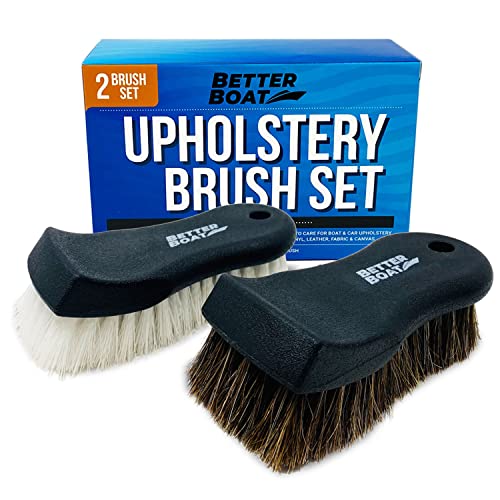
- Armchair cleaning kit with upholstery brushes and microfiber cloths


Before You Start
Clear the area around the armchair and remove loose debris with a vacuum using the upholstery attachment. Check the fabric care label for test instructions and water exposure limits. Spot-test cleaners in a hidden corner to ensure colorfastness. Plan for a cleaning session that allows for drying time, usually a few hours in a dry, ventilated space. If pets or kids use the chair, consider a quick, stain-prevention wipe-down after cleaning.
Step-By-Step: How To Clean An Armchair
- Vacuum the entire chair, including cushions and seams, with the upholstery attachment to remove dust and loose particles.
- Brush fabric nap gently with a clean microfiber cloth to lift fibers and prepare for cleaning.
- Apply a fabric upholstery cleaner spray on a small area and work it in with a soft cloth or the included brush, following the product’s instructions.
- For greasy or heavily soiled spots, use a stain remover for fabric furniture spray brush directly on the stain and blot—do not rub hard.
- Use a upholstery steam cleaner for furniture if the fabric is safe for steam, moving in slow, even strokes to lift dirt from deep in the fibers.
- Spot-clean persistent stains with a repeat of the spray cleaner and a soft-bristle brush, then blot with a clean microfiber cloth to lift moisture.
- Wipe down with a damp cloth to remove soap residue, then blot again to remove excess moisture.
- Allow the chair to air-dry in a well-ventilated area, avoiding direct sunlight that could fade colors.
- Reshape cushions and nap once dry, using a soft brush to restore the fabric’s texture.
- Inspect for remaining stains and repeat the process if needed, then perform a final vacuum to remove any residual fibers.
- Place a fabric-safe protectant spray if recommended by the cleaner’s label, and reassemble cushions.
Troubleshooting
| Symptom | Likely Cause | Fix | Prevention |
|---|---|---|---|
| Color transfer after cleaning | Bleach or improper cleaner | Rinse thoroughly and test on hidden area; use color-safe cleaners | Always test first; follow label directions |
| Streaks or uneven appearance | Soap residue or uneven application | Rewipe with a damp cloth to remove residue; blot dry | Apply cleaners evenly in small sections |
| Fabric feels stiff after drying | Overuse of cleaner or insufficient rinsing | Lightly wipe and air-dry; avoid saturating fabric | Use minimal product and thorough rinsing |
| Persistent odor | Moisture trapped in cushions | Ventilate and use baking soda lightly, then vacuum | Dry thoroughly before use |
Common Mistakes
- Over-saturating fabric with cleaners or water
- Using harsh household cleaners on delicate fabrics
- Rubbing stains aggressively, causing fiber damage
- Ignoring the fabric care label and care instructions
- Skipping a proper test spot before full cleaning
Tips For Best Results
- Work in small sections to maintain control and prevent over-wetting.
- Always dry the chair completely before use to prevent mold or mildew.
- Use a combination of vacuuming, spot cleaning, and gentle steam where appropriate.
- Keep cleaning tools clean to avoid transferring dirt during the process.
- Store cleaning products out of reach of children and pets when not in use.
Call A Professional
Consider professional help if the chair has delicate fabrics like silk blends, vintage upholstery, or persistent stains that resist home cleaning. Stop and consult a pro if you notice color bleeding, fabric shrinking, or any signs of dye transfer after an initial cleaning. When the fabric label warns against certain cleaners or heat, a specialist should assess the situation.
FAQ
Can I use a steam cleaner on any fabric?
Steam is safe for many synthetic fabrics and some blends, but always check the fabric care label and test in a hidden spot first.
How often should I clean an armchair?
Light cleaning every 1–3 months helps maintain appearance; deeper cleanings 2–4 times per year are common depending on use and staining.
Is it better to vacuum before or after cleaning?
Vacuum before cleaning to remove loose debris; vacuum again after drying to lift fibers and remove loosened dirt.
What should I do about pet hair and dander?
Use a microfiber cloth or pet-hair removal tools before cleaning, then follow with a gentle vacuum to pick up remaining fibers.
Buying Guide
When choosing products to clean an armchair, consider several factors to fit cleaning needs and fabric types. Size and weight of the armchair influence how easily you can maneuver cleaning tools around it. Noise level matters in living areas or bedrooms. Energy efficiency is relevant if you use electric cleaning devices regularly. Controls should be straightforward, with clear instructions for spray bottles, brushes, and steam units. Placement of the chair during cleaning should allow access to all sides and ensure proper ventilation. Compare options like a dedicated upholstery steam cleaner, fabric cleaner sprays, and a complete armchair cleaning kit with brushes and microfiber cloths. Look for compatibility with common fabric types, safe water usage, and easy maintenance. For households with kids or pets, prioritize low-residue cleaners and quick-drying results. In sum, choose a balanced set of tools that covers deep cleaning, spot treatment, and gentle maintenance for durable results.